
The Institute is committed to sharing and using evidence to create a collective understanding, guide local and statewide workforce planning and development efforts and create a clear picture of the education and care workforce and operating context.
In workforce planning, data serves as an essential tool alongside other evidence such as intelligence from the workforce itself, for transforming information into strategy. Leveraging demographic, sector, and workforce data allows planning processes to generate deep insights into current and future workforce needs.
Workforce Intelligence Profiles
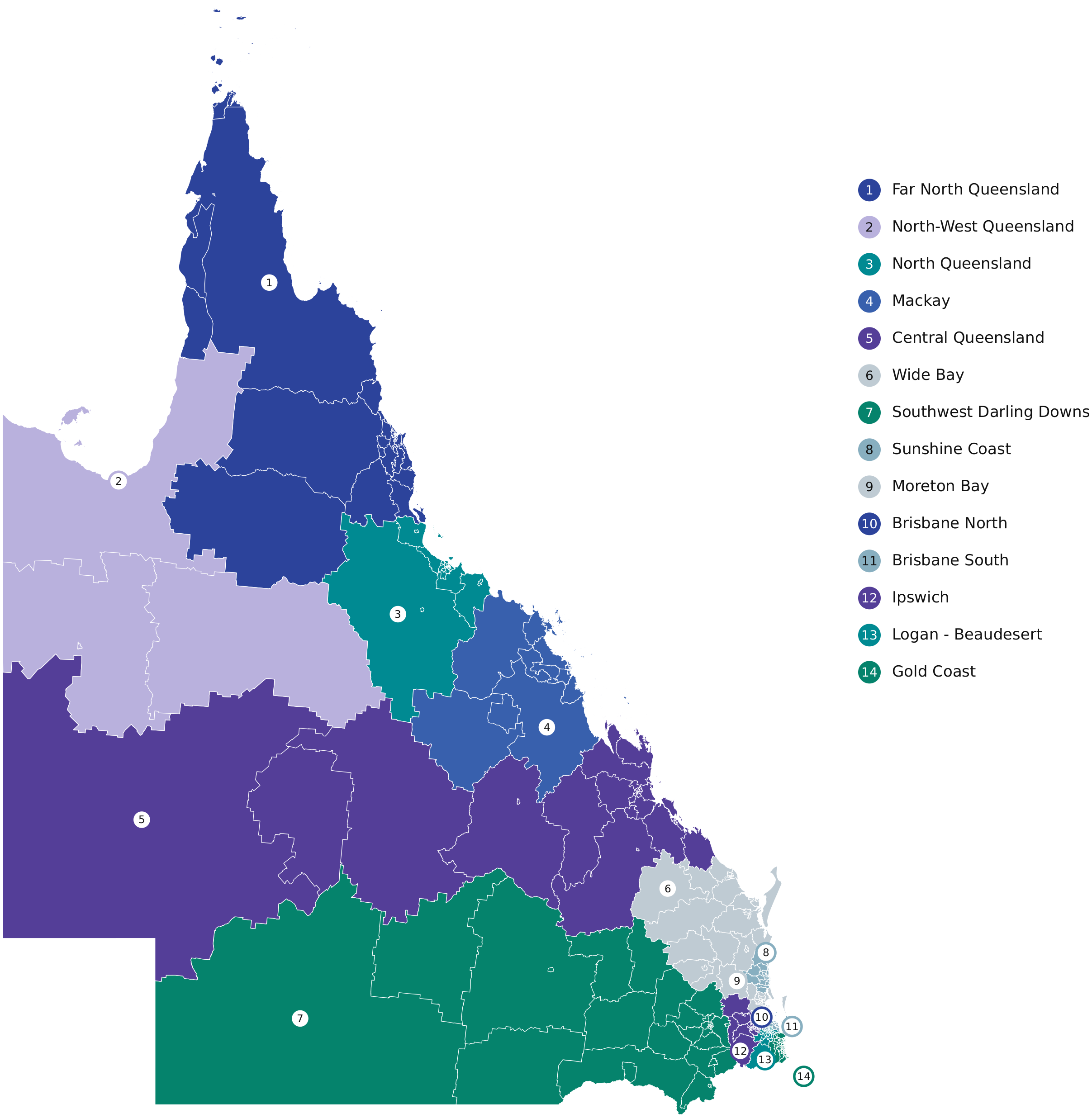
This page provides regional and statewide workforce intelligence profiles of the education and care service context including population growth, service capacity, workforce context and quality ratings. They include interactive features that allow you to explore the data in greater depth.
Used well, these profiles do more than present information. They help build confidence in interpreting data, support stronger regional conversations and collaboration, and contribute to capability building across the sector by connecting people with the evidence. The profiles move beyond the statewide picture bringing together different available data sets to provide a place-based view of how demand, supply and quality are shifting in different parts of Queensland.
- Australian Children's Education and Care Quality Authority (ACECQA) National Quality Standard (NQS) service and quality data
- Australian Government Census Data
- Queensland Government Statistician's Office Regional Profiles
- Australian Early Development Census (AEDC)
- Queensland Early Childhood Education and Care (ECEC) Services Census workforce releases.
- reflect on local conditions and inform service level decision making
- identify emerging risks and opportunities
- guide practical workforce planning conversations
Data currency: The Regional Workforce Profiles use the latest official data available at the time of each update. As data sources are released on different schedules, reference dates may vary across the profiles. Data will be updated quarterly as new data becomes available